
OBSERVATIONS
Three Studies of Human Presence
A face. A passing city. A shifting shoreline.
Observations brings together three moving-image installations exploring human presence through portraiture, urban movement, and the changing shoreline. The works attend to small shifts in expression, gesture, and environment, inviting us to notice what often passes unseen.
La Galeria by Lastcrit 5–21 November 2026
Opening reception: 5 November, 18:00
Exhibition Overview
Across three distinct settings, Observations considers what becomes visible when we take time to look.
In Transit catches fragments of city life through the windows of public transport. On Sand follows the shifting boundary between water and sand, with occasional figures appearing within the wider landscape. Unspoken brings us face-to-face with the subtle emotional transitions of a filmed portrait.
Each work offers a different distance from its subject: passing through the city, looking down on the shore, or meeting another person’s gaze. Together, they move between the intimate and the expansive, finding rhythm and change in ordinary moments.
Across multiple screens, sound, and projection, the installations invite visitors to move, linger, and shift perspective. Looking becomes an active part of the experience, with different details emerging from different positions.
On Sand and In Transit were developed by David Hodge, Hi-Jin Kang Hodge, and Ulf Petersson, with music by François Houle. Unspoken is an earlier work by David Hodge and Hi-Jin Kang Hodge.
In Transit
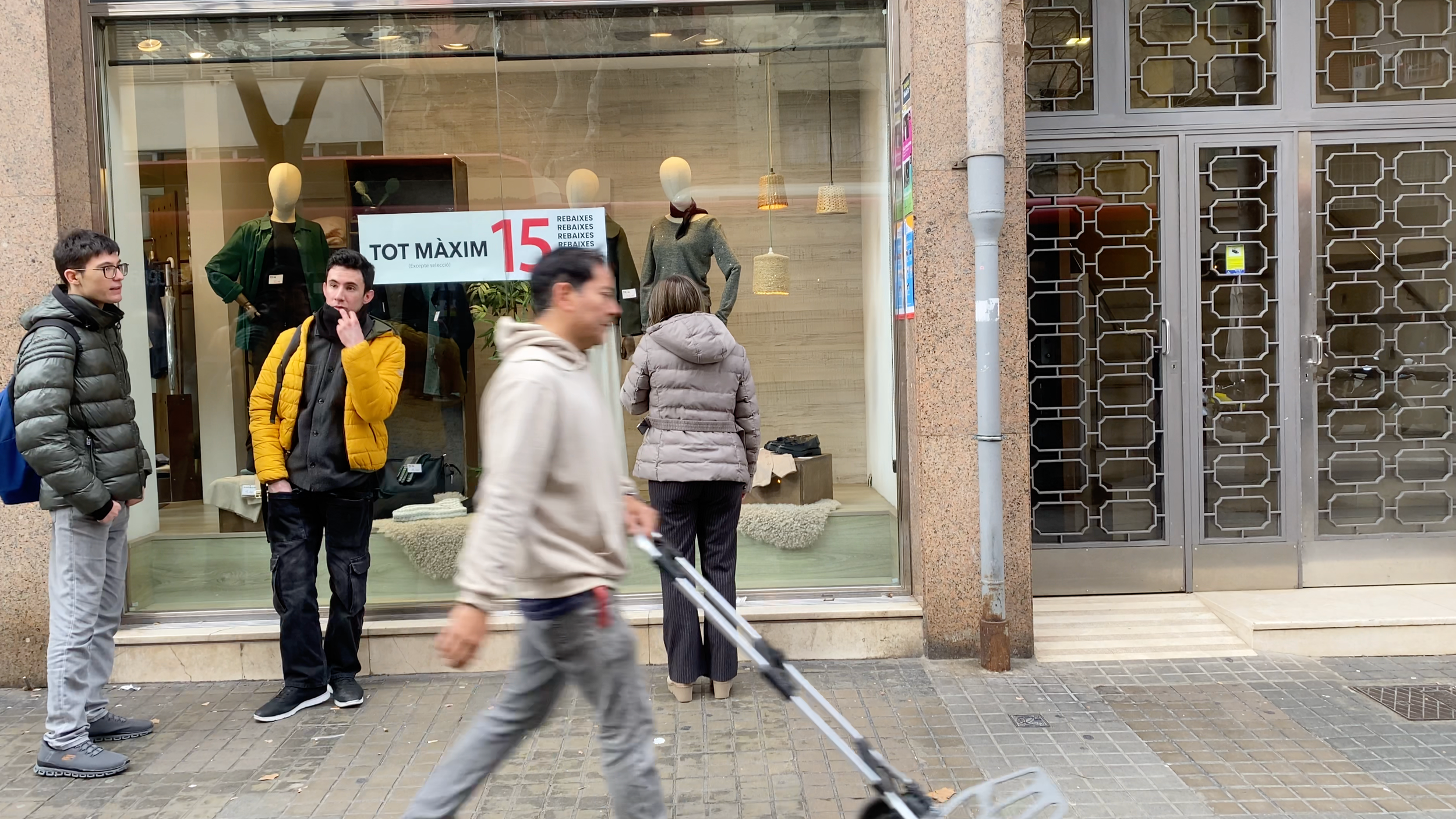
Between departure and arrival, fragments of everyday life pass through the windows of a moving city.
Filmed through the windows of buses and trams in Paris, Stockholm, and Barcelona, In Transit observes urban life in passing. Pedestrians cross streets, gestures appear through windows, and brief scenes emerge and disappear as the journey continues.
Projected at large scale, the imagery places viewers within the momentum of travel. A soundscape composed by François Houle transforms ambient recordings—engine rhythms, door chimes, street noise, and fragments of conversation in French, Swedish, and Spanish—into a percussive composition.
The work draws attention to the intervals we often overlook: the time between places, when we are simply moving through the world.
On Sand
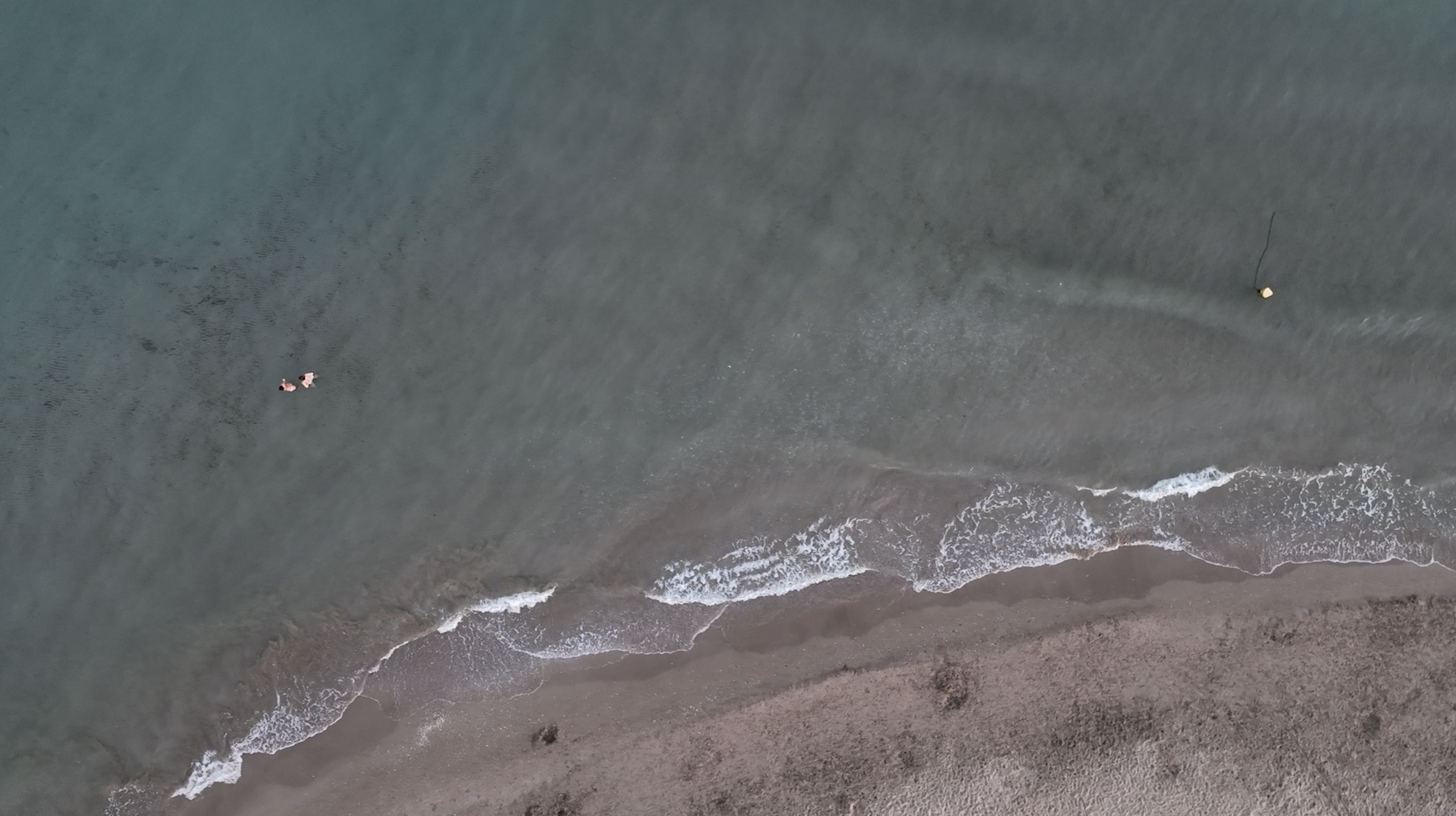
Seen from above and projected onto real sand, water meets the shore in a continuous unfolding of pattern and movement.
On Sand began with an interest in the ordinary activities of a day at the beach. As filming developed, a concern for the privacy of beachgoers redirected our attention toward the shoreline itself.
The meeting of water and sand became the central subject. As water washes in and recedes, patterns form, break apart, and form again. Seen from above, these changes reveal an intricate, shifting landscape shaped by repetition and difference.
Occasional swimmers, surfers, and figures on the beach enter the imagery. Filmed from high above to avoid disturbing them, they appear as small presences within the larger movements of the shore.
Projected downward onto a floor covered with several tons of sand, the work brings the filmed surface into contact with the material beneath visitors’ feet. Visitors move across the sand as the imagery unfolds around and beneath them, encountering the changing shoreline from different positions.
On Sand invites sustained attention to a familiar place: the restless boundary where land and water meet.
Unspoken
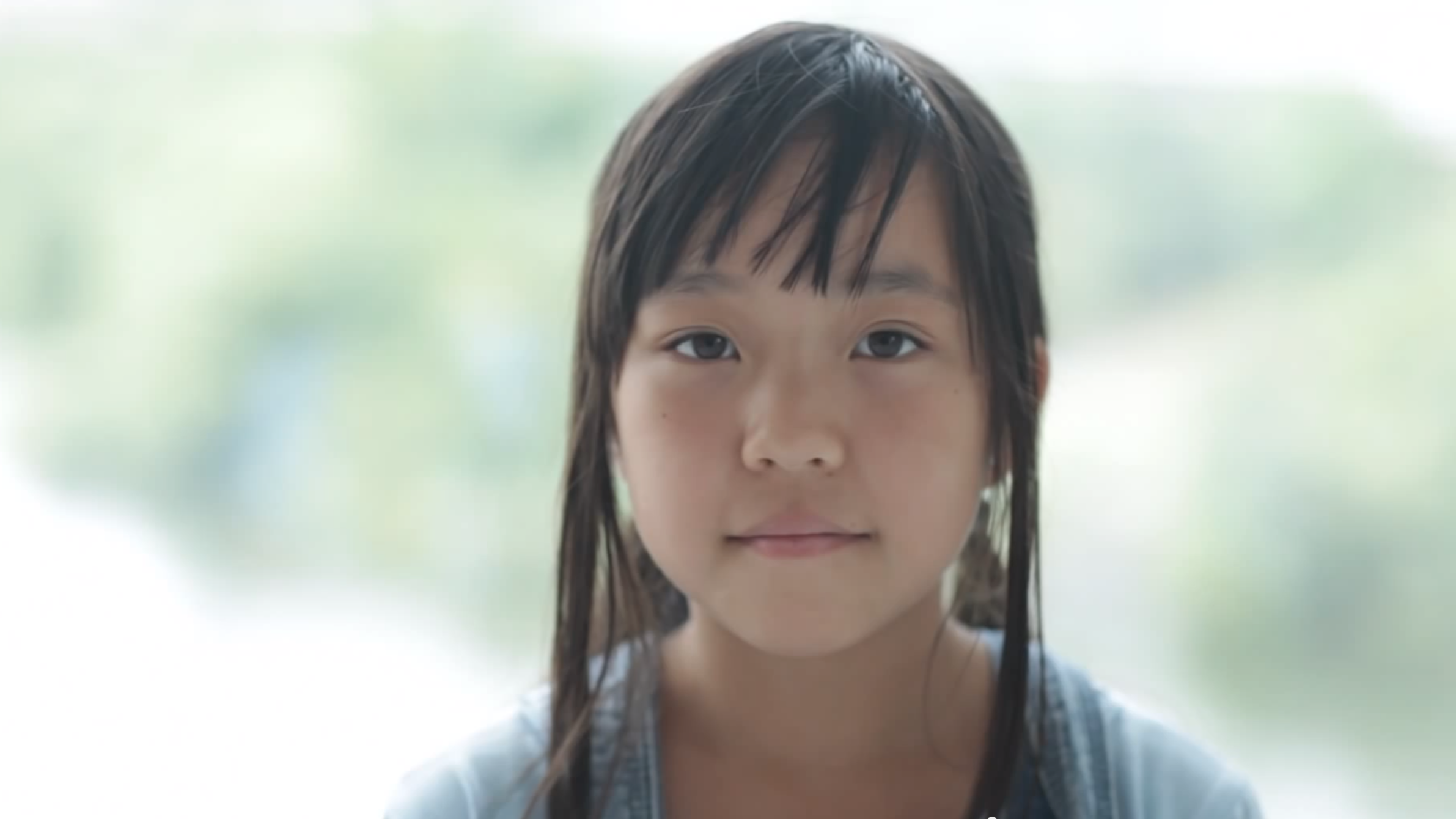
Across multiple screens, fleeting changes in expression reveal the quiet complexity of being seen.
Unspoken is a multi-channel video installation composed of portrait fragments recorded over the course of a year. During that time, David Hodge and Hi-Jin Kang Hodge invited every person who visited their home to sit for a filmed portrait lasting approximately one minute.
From more than three hundred recordings, the artists selected brief intervals, usually fifteen to twenty seconds, in which subtle transitions emerge. An initially self-conscious expression softens. A posture changes. Someone glances away from the camera.
Displayed simultaneously across multiple screens, these fragments bring viewers into the company of people passing through small, often barely perceptible emotional changes.
Without dialogue or narrative, Unspoken attends to the moments when self-presentation appears to ease and another kind of presence becomes visible.